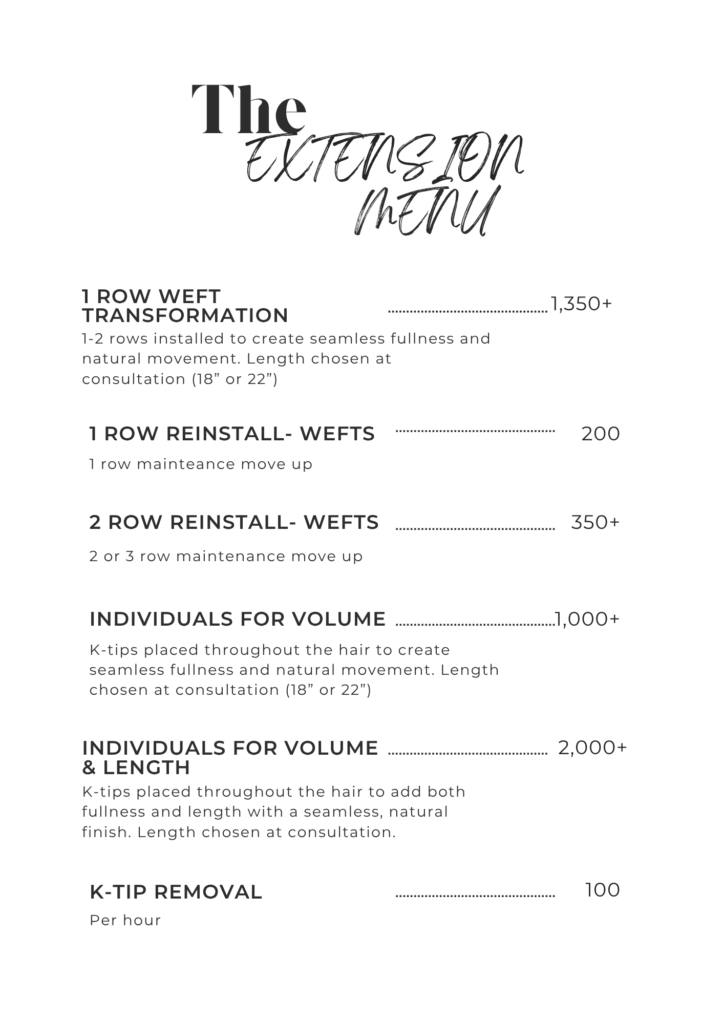
The Cost and Upkeep: “What Do Hair Extensions Really Cost? The Full Picture
Your guide to the investment, maintenance, and value of hair extensions.

Life gets busy, and sometimes keeping up with regular hair appointments falls to the bottom of the list. If you’ve been blonde but it’s been over six months since your last root touch-up, you’re not alone. While it’s completely normal to stretch your appointments, getting back into blonde after a longer break requires a little more time, care, and patience than a standard touch-up. Here’s what you can expect at your appointment and how to care for your hair afterward.
When blonde regrowth has been left untouched for more than six months, your stylist is essentially working with two different “zones” of hair:
There is something special about having hair that makes you feel like yourself. Maybe you have always wanted a little more length, fuller ends, or the ability to style your hair without feeling like something is missing. Maybe your hair has changed over time, and you are looking for a way to feel more confident in your everyday look.
Whatever brings you to hair extensions, one of the first questions is usually the same: How much do they actually cost?
The truth is that hair extensions are an investment, but they don’t have to feel overwhelming when you understand what you’re paying for and what to expect afterward.
I believe choosing extensions should feel exciting, informed, and personal. Let’s break down the costs, upkeep, and long-term value so you can decide whether extensions are the right fit for you.
2. The upkeep: What happens after installation?
This is the part that’s easy to overlook when comparing prices, but it doesn’t need to be complicated.
Extensions are a little like investing in a great wardrobe piece: the initial purchase is one part of the cost, and caring for it helps you get the most out of it.
Depending on your extension method, you’ll need periodic maintenance appointments to keep the extensions secure, comfortable, and properly positioned as your natural hair grows.
For many professionally installed methods, maintenance may be needed every six to eight weeks, although your stylist will recommend a schedule based on the method and your hair. Maintenance appointments can range from roughly $100 to $400 or more, depending on the service and salon. <text color=”secondary” size=”xs”>Source: Hair extension cost guide.</text>
Your maintenance appointment may involve removing and repositioning the extensions, refreshing the attachment method, checking your natural hair, and blending or styling the finished look. The exact service depends on the method you wear.
A helpful tip: Before booking, ask your stylist how often you’ll need maintenance and what each appointment includes. Knowing your schedule ahead of time makes budgeting much easier.
2. The upkeep: What happens after installation?
This is the part that’s easy to overlook when comparing prices, but it doesn’t need to be complicated.
Extensions are a little like investing in a great wardrobe piece: the initial purchase is one part of the cost, and caring for it helps you get the most out of it.
Depending on your extension method, you’ll need periodic maintenance appointments to keep the extensions secure, comfortable, and properly positioned as your natural hair grows.
For many professionally installed methods, maintenance may be needed every six to eight weeks, although your stylist will recommend a schedule based on the method and your hair. Maintenance appointments can range from roughly $100 to $400 or more, depending on the service and salon.
Your maintenance appointment may involve removing and repositioning the extensions, refreshing the attachment method, checking your natural hair, and blending or styling the finished look. The exact service depends on the method you wear.
A helpful tip: Before booking, ask your stylist how often you’ll need maintenance and what each appointment includes. Knowing your schedule ahead of time makes budgeting much easier.
3. Don’t forget your at-home care
You don’t need an entire new bathroom cabinet to care for extensions, but a few thoughtful habits can help protect your investment.
Your stylist may recommend:
- A gentle shampoo and conditioner suited to your hair and extension method.
- A suitable brush and careful detangling technique.
- Heat protection when using hot tools.
- Thorough, gentle drying and brushing as instructed for your method.
- Regular maintenance appointments rather than waiting until your extensions feel uncomfortable or tangled.
Some people will need to purchase a few new products or tools, while others may already have suitable options at home. Ask your stylist what is truly necessary before buying anything extra.
Your natural hair health matters, too. Extensions should never feel painfully tight, and persistent pulling or discomfort is a reason to contact your stylist promptly. Improper tension can contribute to hair breakage and traction hair loss, so choosing an appropriate method and following professional aftercare guidance is essential. <text color=”secondary” size=”xs”>Source: American Academy of Dermatology.</text>
4. How long will your extensions last?
This depends on the type of extensions, the quality of the hair, how often you wear them, and how well you care for them.
It’s helpful to separate two things:
The hair itself: Some extension hair can be reused through multiple maintenance appointments, depending on the method and its condition.
The maintenance schedule: Even when the hair is reusable, the attachments still need professional attention as your natural hair grows.
That distinction matters because your first appointment doesn’t necessarily mean you’ll need to purchase an entirely new set every time you return.
Ask your stylist how long your chosen hair is expected to last, whether it can be reused, and what future appointments will cost. A clear plan helps you understand the value of your initial investment over time.However, typically they can last 6 months to a year.
6. How do you know if hair extensions are worth it?
The value of extensions isn’t just about how long your hair becomes. It’s about how well the result fits into your life.
For some women, extensions offer the fullness they’ve been missing. For others, they create more styling options or help achieve a particular look they have wanted for years.
Think about what matters most to you:
- Do you want more volume, more length, or both?
- Are you comfortable setting aside time and money for regular maintenance?
- Does your everyday routine allow for the care your chosen method requires?
- Would a partial application or a removable option meet your needs?
- Does the overall cost fit comfortably within your budget?
There is no single right answer. The best extension investment is one that supports your goals without adding unnecessary stress to your finances or routine.
If your hair is already fragile, you’re experiencing unexplained hair loss, or you have scalp concerns, speak with a qualified professional before proceeding. Extensions aren’t a treatment for hair loss, and they aren’t appropriate for every hair or scalp condition.
5. What does the investment look like over time?
Instead of looking only at the first appointment, consider your extensions as part of your beauty budget.
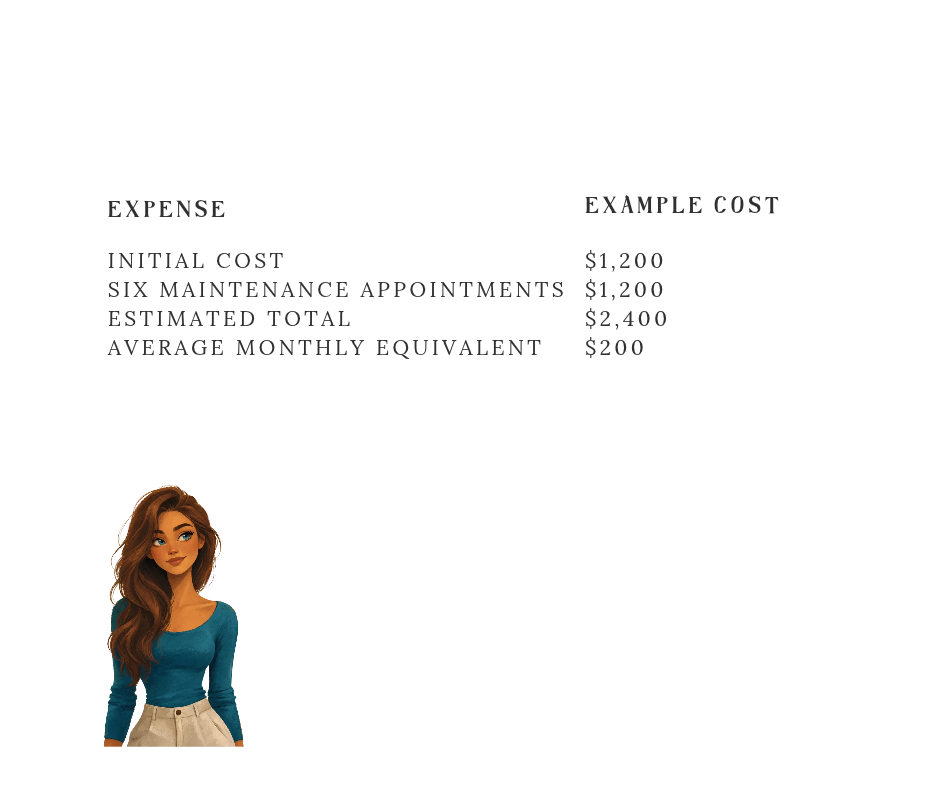
For example, imagine your initial installation costs $1,200 and your maintenance appointments cost $200 each. If you need six maintenance appointments over the following year, your simple planning estimate would be:
These figures are an illustration, not a price quote. Your actual costs may be lower or higher depending on your method, maintenance frequency, replacement hair, and what is included in each appointment. This example also excludes any additional products or services.
Why is this useful? Because it gives you a more realistic picture of the commitment before you begin. You can decide what feels comfortable for your budget instead of being surprised by future appointments.
You can also ask your stylist whether a lower-maintenance option, less hair, or a different length could achieve your goals at a more comfortable price point.
7. Can you make extensions more budget-friendly?
Absolutely. Being thoughtful about your investment doesn’t mean you have to give up the idea altogether.
Start with a consultation. Discuss your goals, your natural hair, your lifestyle, and your budget before choosing a method.
Choose the right amount of hair. You may not need as much hair as you think to achieve a fuller, more balanced look.
Plan for maintenance from day one. Set aside money for future appointments rather than treating them as unexpected expenses.
Follow your aftercare instructions. Gentle, consistent care can help you avoid preventable problems and get the most out of your extensions.
Ask for transparent pricing. Make sure you understand what’s included in the installation, what maintenance costs, and whether removal, replacement hair, or additional services are charged separately.
A good stylist should help you understand your options, not pressure you into a service that doesn’t feel right for you.
A final thought: Your hair, your investment
Hair extensions are not a one-size-fits-all purchase. They are a personal choice that deserves a personal plan.
You deserve to understand the cost before you commit, know what upkeep will look like, and feel comfortable asking questions. Whether you’re ready to invest in a full transformation or simply exploring your options, taking the time to understand the process is the best place to start.
My philosophy is simple: considered beauty, intentional care. We believe the right hair experience begins with listening to you, understanding your goals, and finding an approach that fits your life.
Because the best result isn’t simply longer or fuller hair. It’s hair that feels like you.
Thinking about extensions?
Start with a consultation to explore your options, discuss maintenance, and build a plan around your hair goals and budget.
Shantal woods — Ventura, California
Come as you are. Leave feeling like yourself.